Venice without the crowd crush is possible. This 2-hour walk focuses on quieter districts and local daily life, then lands you at Rialto Bridge with the city’s layout in your head. I especially love the start in Campo San Geremia in Cannaregio and the fact that you’re in a group of 15 people max, so questions actually get answered.
One thing to plan for: this is real walking time, and at a few stops you’ll likely be standing around while your guide tells the bigger stories.
In This Review
- Quick highlights you will feel in your legs
- Campo San Geremia: a quieter Venice start in Cannaregio
- Cannaregio footbridges to Ghetto Ebraico
- Madonna dell’Orto: Tintoretto paintings and an original Venice floor look
- Palazzo Mastelli del Cammello and the Camel House legend
- Squero dei Muti gondola history and Ponte Chiodo’s Republic-era feel
- From Rialto to the next bridges: stories behind the 16th-century landmark
- Campo San Giacomo di Rialto and Mercato di Rialto: Venice’s trade core
- How long is it, and what kind of walking pace to expect?
- What your guide can cover beyond landmarks
- Is it good value at $47.16 per person?
- Who should book this tour (and who might skip it)
- Should you book The Real Hidden Venice?
- FAQ
- Where do you start and end?
- How long is the tour and is it very physical?
- Is the tour only for small groups?
- What’s included in the price?
- What is not included?
- Is there an access fee in Venice?
Quick highlights you will feel in your legs
- A small group of up to 15 (or private if you choose it) for easier conversation and questions
- Campo San Geremia begins the tour in a quieter corner of Cannaregio, away from the usual rush
- Ghetto Ebraico area walk with context for the word ghetto and how the neighborhood evolved
- Madonna dell’Orto and Tintoretto paintings, plus a look at the original floor by the church
- Squero dei Muti gondola-factory stop, then you end in the Rialto area where Venice’s trade pulse used to run
Campo San Geremia: a quieter Venice start in Cannaregio
I like tours that get you walking in the right direction fast. This one begins in Campo San Geremia, a picturesque square in Cannaregio that feels tucked away rather than staged for visitors. You also get a quick taste of what makes Cannaregio “Venice as locals use it,” with calmer foot traffic and softer canal scenes.
At this early stop, you’ll hear the funny backstory about what a campo is and how the square earned its reputation. It’s short, but it sets the tone: history here isn’t just dates on a plaque. It’s the kind of story you can carry with you as you walk, so later landmarks make more sense.
What to watch for: this is a moving tour, not museum pacing. If you want photos, take them quickly at the edges of the square, then keep flowing with the group so you don’t miss the bridge crossing later.
You can also read our reviews of more tours and experiences in Venice.
Cannaregio footbridges to Ghetto Ebraico
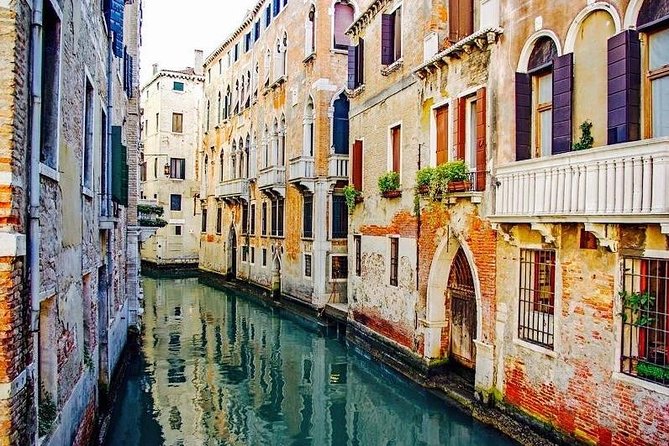
From Campo San Geremia, the route guides you across Cannaregio’s footbridges into the Jewish Quarter, known for the area’s strong history and for how the word ghetto took hold. The idea is simple: you’re not just seeing a neighborhood. You’re understanding why this part of Venice is talked about at all.
You’ll spend time exploring the Ghetto Ebraico area, with your guide connecting old events to what’s still visible in the streets today. Some guides also bring in how Venice functions in everyday life—water, transportation, and the rhythms people live by—so the neighborhood feels like a living place rather than a stop on a map.
Why this is valuable: most first-time Venice walks over-focus on the waterfront icons. This step pulls you inland and lets you experience the city’s quieter “in-between” routes, the ones you’d probably skip if you were only chasing postcards.
Madonna dell’Orto: Tintoretto paintings and an original Venice floor look
Next comes Chiesa della Madonna dell’Orto. This church is known for Tintoretto paintings, and it’s one of those stops where a guide can help you notice details you might otherwise rush past. Even if you don’t go deep into art history, you’ll get a sense of why this church matters to the city.
Right in front of the church, you’ll also get a look at the original floor of Venice. That’s a small detail, but it changes how you see the whole area. Suddenly you’re not only admiring architecture—you’re thinking about what’s underfoot and how long the city has been shaping itself in place.
Important practical note: the church admission is not included. Plan for that if you want more than a quick look from the outside areas your route covers.
Palazzo Mastelli del Cammello and the Camel House legend
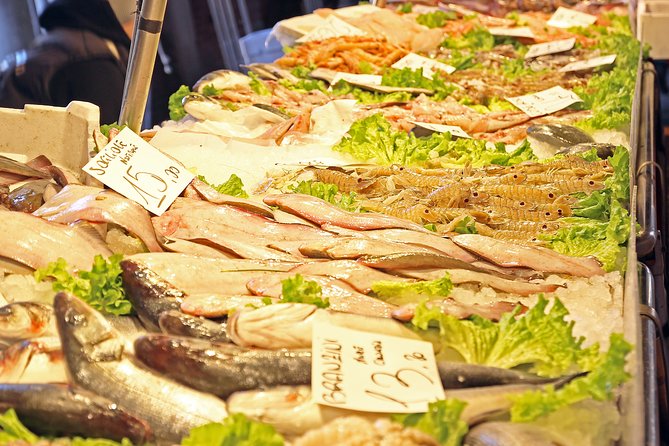
After the church stop, you’ll hit Palazzo Mastelli del Cammello, nicknamed the Camel House. This is the kind of Venice story stop that I love because it gives you a reason to pause. A facade becomes memorable, not because it’s famous everywhere, but because a legend explains what makes it strange and interesting.
You’ll spend only a short time here, but it’s enough to connect the nickname to a longer narrative your guide will share. If you’re the type who likes architecture but also likes a good reason behind it, this will land well.
Best way to enjoy this stop: stand back enough to see the exterior clearly, then listen. If you zoom in with your phone camera the whole time, you’ll miss the story, and the story is the point.
Squero dei Muti gondola history and Ponte Chiodo’s Republic-era feel
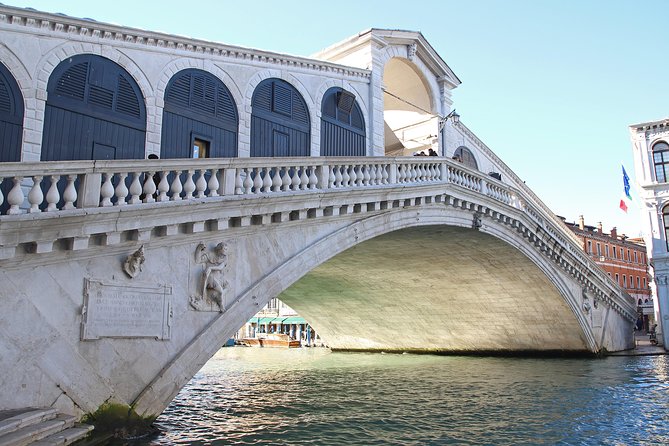
Now for something very Venetian: the gondola-making world. Squero dei Muti is an old gondolas factory stop, and it helps you understand Venice as a working city. Gondolas aren’t just photo props here; they’re tied to craft, canals, and a whole system of movement on water.
Shortly after, you’ll also pass Ponte Chiodo, described as the original bridge of the Venetian Republic. This kind of “old infrastructure” moment is a sneaky highlight. Modern Venice is full of tourist bridges, but Republic-era references give you a sharper sense of how the city’s power and daily life connected.
Pacing tip: these stops are brief, so keep your energy for Rialto. Think of them as story frames that set up what comes next.


From Rialto to the next bridges: stories behind the 16th-century landmark
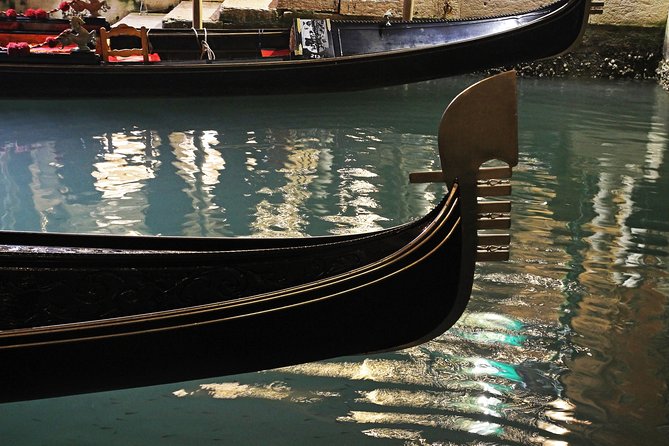
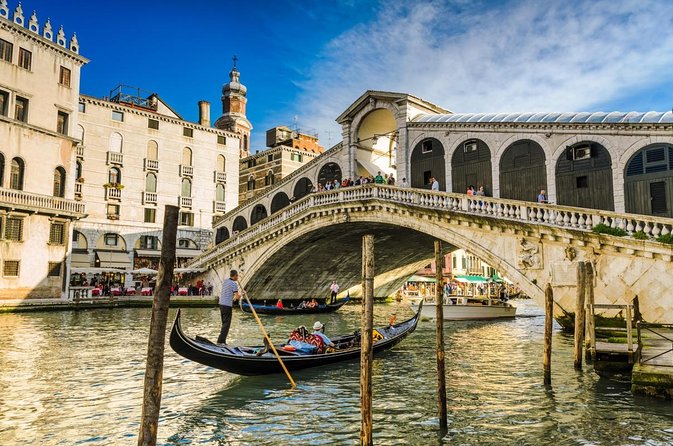
Your route then leads toward one of Venice’s biggest icons: Rialto Bridge. Even if you’ve seen it in photos, it’s different in person—especially when you arrive from the side streets rather than from the crowd funnel.
You’ll hear stories about the traditions and little-known history behind the bridge, including that it’s the 16th-century landmark and that it’s the first bridge built on the Grand Canal. That detail matters because it shifts Rialto from “a pretty bridge” to “a turning point in how people crossed and moved.”
You’ll also have a moment to admire the city from a bridge along the way. That’s where everything starts clicking: canals, corners, and the way streets feed into water routes.
Photo reality check: Rialto can get busy fast. If you care about photos, do your quick shots where your guide pauses, then be ready to move so you’re not stuck waiting for the group.
Campo San Giacomo di Rialto and Mercato di Rialto: Venice’s trade core
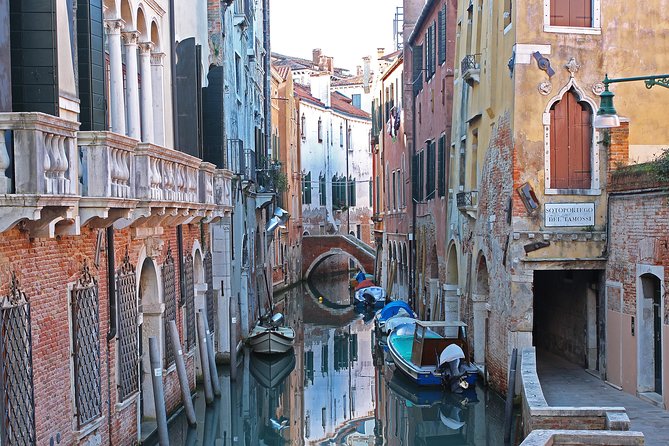
Before you fully finish, the walk continues around the Rialto area with two stops that help explain why this district mattered.
First is Campo San Giacomo di Rialto, described as the first lived island of Venice. That’s a compelling idea for a walking tour because it turns “place names” into something physical. You start to picture people being here early, building life around water access and movement.
Then comes Mercato di Rialto, the old trade center of the Venetian Republic, known as La Serenissima. Even in modern Venice, this area still feels like it has momentum. Your guide will connect what trade meant here to how the streets and canal access supported business and travel.
When the tour ends near Rialto Bridge, you’re placed right where you can keep exploring on your own. You’re not done, but you’re oriented. That matters a lot in Venice, where the “right direction” can be hard to spot without context.
How long is it, and what kind of walking pace to expect?
The tour is about 2 hours of walking. That’s a good length for a first Venice day because it fits between other plans, but it’s still long enough that you’ll want comfortable shoes. Your fitness level should be moderate, and children must be with an adult.
One pattern worth knowing: some stops involve more standing time while stories are told, especially where the historical context is dense. If you’re sensitive to noise or struggle to hear over a crowd, you may want to pick a position closer to your guide when the group pauses.
My advice: treat the tour like a guided stroll with frequent “listening moments.” If you only want moving sightseeing snapshots, you might get frustrated by the brief pauses.
What your guide can cover beyond landmarks
The best part of this type of walking tour is that it connects history to how Venice actually works today. Depending on the guide, you may hear about how the city handles daily life topics like water supply and transportation, not just major monuments. Some guides also bring in other dramatic past chapters—like community dynamics connected to the ghetto and even later organized crime activity from decades ago—framed in a way that helps you understand why Venice shaped people and choices.
You’re also in a small group environment, which often makes the experience more interactive. This is one of the tour’s practical strengths: you can ask questions while you’re walking, rather than saving them for later when you might be tired or lost.
Guide names you might hear in the mix: Mateo, Giovanni, Nico, Sebastian/Sebastiano, Thomas, Georgia, Michelle, and Nick have all shown up as examples of guides who share lively street stories and offer practical restaurant and getting-around tips.
Is it good value at $47.16 per person?
At $47.16 per person for roughly 2 hours, you’re paying for two things: a guided route that takes you into quieter districts and a small-group setup that keeps the experience conversational. In Venice, that combination saves time. Instead of guessing which canals to wander and which neighborhoods to skip, you follow a plan that stitches together Cannaregio, the Jewish Quarter, and Rialto.
You also get a city map and local taxes included, plus a local guide. The tour isn’t trying to sell you museum tickets or add expensive extras along the way, but remember the church admission at Madonna dell’Orto is not included.
Where the value really shows: the tour ends in a spot where you can continue exploring immediately, without starting from scratch. If you’ve only got a day or two in Venice, that orientation is worth a lot.
Who should book this tour (and who might skip it)
Book it if you want Venice beyond St. Mark’s postcard routes. This walk is especially good for first-timers who want a better feel for neighborhoods, canal-side life, and the city’s layers of trade, community, and craft. It’s also a smart choice if you prefer smaller groups and like asking questions.
Consider skipping if you hate walking or you have trouble hearing during pauses. Also, if you’re only after the most iconic shots with minimal story time, Rialto-focused sightseeing tours might suit you better.
Should you book The Real Hidden Venice?
I’d book this if you want a Venice introduction that feels lived-in. The route moves from Campo San Geremia through Cannaregio’s quieter canals and into the Ghetto Ebraico area, then finishes with Rialto in a way that helps you understand why this city grew where it did.
Just go in with the right expectations: it’s an active walking tour with a story-first approach. If you wear good shoes, keep your ears open during stops, and treat Rialto as the finale of a neighborhood-building walk, you’ll get a lot out of the 2 hours.
FAQ
Where do you start and end?
The tour starts at Hotel Antiche Figure in Santa Croce (Fondamenta San Simeon Piccolo, 687). It ends near Rialto Bridge at Ponte de Rialto.
How long is the tour and is it very physical?
The walking tour lasts about 2 hours. It’s recommended for travelers with a moderate physical fitness level.
Is the tour only for small groups?
Yes. For the group tour, it has a maximum of 15 travelers. A private group option is also available if selected.
What’s included in the price?
Included are the pickup in front of Hotel Antiche Figure (per booking info), 1 city map per person, a local guide, local taxes, and the 2-hour walking tour.
What is not included?
Hotel pickup and drop-off aren’t included. Admission for Chiesa della Madonna dell’Orto is also not included.
Is there an access fee in Venice?
On certain dates, day-trippers staying outside Venice may be required to pay a €5 access fee. You can check the applicable dates and exemptions at https://cda.ve.it.