Venice feels calmer when you start on the small lanes. This day trip from Padua walks you between Cannaregio and the Ancient Jewish Ghetto, then brings you into the classic core with smart breaks—like an espresso in a tiny café using the same recipe for almost a century.
I like how the pacing mixes sight-seeing with everyday Venice. You also get a planned stop at an ancient bacaro for traditional Venetian cicchetti, so the day doesn’t turn into just another checklist.
You’ll also spend time in the places most visitors skim: Rialto’s bridge-and-market area, plus a stop at a tucked-away point where you can appreciate an exclusive view of the Grand Canal. One thing to consider: if your group is mixed-language, the tour can slow down while the leader translates.
In This Review
- Quick hits before you go
- Padua to Venice: the included train makes the day actually easy
- Cannaregio and the Jewish Ghetto: quiet streets, real shops, not just photos
- San Polo: the smaller square culture and the bacari vibe
- Rialto Bridge and Rialto Market: the economic core in one crossing
- A Grand Canal viewpoint that feels like a local secret
- Lunch at a bacaro: cicchetti time in narrow calli
- Piazza San Marco and the Bridge of Sighs: the classics, timed well
- Basilica entry isn’t included: don’t show up underdressed
- Getting back: ferry to the rail station, then home to Padua
- Price and value: what you’re really paying for at $150.49
- Who this tour suits best (and who might want another plan)
- Should you book Live Venice as a local departing from Padua?
- FAQ
- Is the Basilica of San Marco included?
- What kind of walking should I expect?
- Do I need to dress a certain way for churches?
- Is there an entry fee for Venice?
- How many people are in the group?
- Is the tour refundable if plans change?
Quick hits before you go
- Up to 10 people keeps the walk from turning into a noisy stampede
- Train round-trip from Padua is included, so you’re not doing rail math on your vacation
- Jewish Ghetto to Cannaregio to San Polo to San Marco gives you range, not repeats
- Espresso stop + bacaro cicchetti lunch are built into the route
- Rialto Bridge crossing + Rialto Market visit covers both postcard and working Venice
- Dress code for churches matters: covered shoulders and legs are required
Padua to Venice: the included train makes the day actually easy
The biggest value here is simple: you’re not left to figure out how to get to Venice and back. The experience includes a round trip transfer by train from Padua station, with the tour starting at Stazione FS di Padova (Piazzale della Stazione, 1). The departure time is listed as 9:45am, but it can shift a bit—so build in some slack.
Once you arrive, you’ll immediately be in the Venice rhythm: walking narrow calli, turning corners, and letting the city reveal itself at human scale. And at the end, you won’t be stuck searching for a ferry or rail connection. You finish in Venice, ride a ferry boat back to the rail station, and then return to Padua.
Why this matters: a Venice day trip can fall apart quickly when timing goes off. This one is set up to reduce “where are we meeting?” moments and keep you focused on seeing the city.
You can also read our reviews of more tours and experiences in Venice.
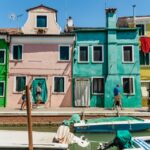
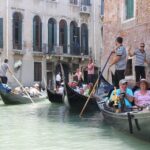
Cannaregio and the Jewish Ghetto: quiet streets, real shops, not just photos
The day begins in the Ghetto Ebraico (Ancient Jewish Ghetto). This is one of the most meaningful ways to start, because you’re not racing straight to San Marco. You walk through the older neighborhood on foot—about 10 minutes is scheduled here—so you get a first taste of the area’s character without it feeling rushed.
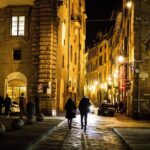
Then the route continues into Cannaregio, where you’ll connect up with key landmarks. You’ll pass through the Santa Lucia station area and the main street called Strada Nova, which links the station toward the Rialto zone. That’s useful because it gives you orientation: where the day’s walking corridors are, and how the city funnels you from one district to the next.
What I like about this part is the mix of everyday life and browsing. The experience mentions antique shop windows and traditional Jewish shops, plus you’ll have time for the quieter side of Cannaregio between the Jewish Ghetto and Fondamenta Nuove. You also get references to Lista di Spagna and Strada Nova as the main shopping streets, and to the fact that this sestiere has a lively social scene, especially with bars and meetups.
Practical note: this is Venice walking. Narrow lanes mean slower movement, so comfortable shoes matter more than you think.
San Polo: the smaller square culture and the bacari vibe
After Cannaregio, you move into San Polo, described as the smallest of the six sestieri. The point of including San Polo in a one-day plan is that it feels relaxed even when Venice is crowded. You’ll get narrow streets with houses and shops side by side, plus the “work and live” feel that makes Venice more than scenery.
San Polo centers on Campo San Polo, noted as the largest square after San Marco. The tour frames it as a people’s square, used for public events and celebrations, and surrounded by stately palaces. The church in the district—also tied to the name—adds another layer, since you’re seeing how community spaces shape the day-to-day rhythm here.
You’ll also hear the bacari theme. San Polo is where typical Venetian taverns take the name bacari, and that matters because it’s where cicchetti culture lives: quick bites, conversation, and a less formal pace than a sit-down restaurant.
If you’re the kind of person who likes Venice without constant crowds and constant camera-aiming, this stop is a smart one.
Rialto Bridge and Rialto Market: the economic core in one crossing
Then comes one of the surest “okay, I’m in Venice” moments: the Rialto Bridge. The experience is built around crossing it and spending time near the Rialto Market area. This is historically tied to Venice’s commerce—so even if you don’t care about economics, the energy here is different from the quieter lanes you saw earlier.
A useful detail: the bridge you see today was built between 1588 and 1591, based on a project by architect Antonio da Ponte. The older wooden structure had issues—collapses and fires—so this replacement was a big deal. Your guide is there to connect that history to what you’re walking across right now, not just recite dates.
The tour gives about an hour for this part, and that’s enough time to slow down. Don’t rush the bridge photos. If you want better pictures, step off the main flow for a moment and let the groups pass—Venice gives you angles fast, but only if you give it a few seconds.
A Grand Canal viewpoint that feels like a local secret
One highlight is the promise of a “hidden place” viewpoint over the Grand Canal. The schedule calls it a “hidden place” where you can appreciate an exclusive view, and I love when tours do this because it gives your brain something new to process.
Here’s the value: the Grand Canal is famous, but most people only see it from the obvious waterfront spots. A viewpoint stop changes the whole experience. You start understanding the canal as a corridor, a street in water form—one that bends the city’s geometry and channels foot traffic.
You’ll also have the sense that this day trip isn’t only about landmark names. It’s about getting you to locations that make Venice feel lived-in.
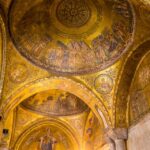
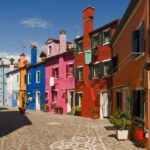
Lunch at a bacaro: cicchetti time in narrow calli
Food is part of the plan, and it’s targeted. The tour says lunch is in an ancient bacaro, tucked among narrow and intricate calli, where you can enjoy excellent traditional Venetian cicchetti.
Two thoughts to keep your expectations realistic:
- Cicchetti meals in Venice can vary in cost depending on what you order, and the tour description doesn’t explicitly spell out what’s included. So if you’re tight on budget, ask what the plan covers when you meet up.
- The bacaro setup is meant for small plates and conversation, not a long sit-down. Keep the rest of your day flexible in your head.
Even if you’ve had Italian snacks before, cicchetti works well here because it fits the walking schedule. You don’t lose the afternoon to a marathon lunch. You recharge and keep moving.
Piazza San Marco and the Bridge of Sighs: the classics, timed well
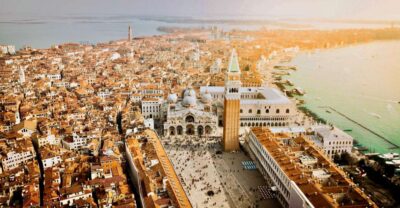
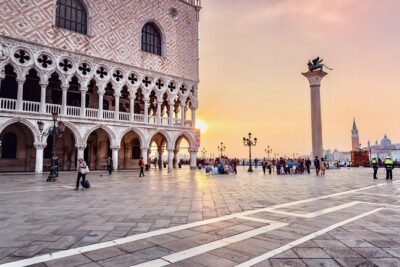
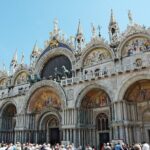
After Rialto, the tour heads to the beating heart: Piazza San Marco. The experience frames it with the famous nickname as the most beautiful salon in Europe, and gives you solid context to understand why the place matters. You’ll learn it was built in the 9th century, paved in 1177, and that it’s the lowest area of Venice—meaning it’s the first to be flooded when water levels rise.
That flood point isn’t trivia. It changes how you think about the square when you’re standing in it. You’re in a space built for grandeur, but Venice’s water rules the timeline.
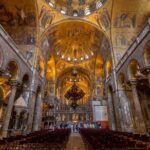
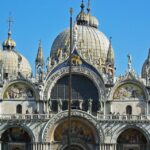
Your route highlights main buildings in the square: the Basilica of San Marco, Doge’s Palace, the Correr Museum, the Campanile, and the Clock Tower. Then you arrive at the Bridge of Sighs. The description also says you can visit the Basilica of San Marco, but it’s not included.
This is where I’ll be practical: if church and museum time matters to you, plan your extra stop accordingly. Because the tour doesn’t include Basilica entry, you may need to decide on the day whether it’s worth the line and ticket situation.
Basilica entry isn’t included: don’t show up underdressed
Venice churches have strict dress requirements, and this tour flags them: to visit churches you need covered shoulders and legs. That matters if you’re going in summer heat or if you tend to wear a light shirt that flutters but doesn’t cover.
So bring a light layer just in case. It’s easier than standing outside an entrance while you try to improvise.
Also remember: the tour indicates the Basilica of San Marco visit is not included. That means you may still be able to add it, but don’t assume it’s automatically part of your day.
Getting back: ferry to the rail station, then home to Padua
The day ends with logistics that are built in, not added later. You’ll take a ferry boat back to the railway station, and then—since round trip train from Padua is included—you’ll return to the meeting point.
This matters because Venice navigation can feel like a maze when you’re tired. A planned ferry segment helps you exit the city with less stress, especially if your timing is tight.
You’ll also be moving at a “normal tourist pace,” not a sprint. The tour lists moderate physical fitness as the requirement, which is consistent with the walking through multiple sestieri, bridge areas, and narrow lanes.
Price and value: what you’re really paying for at $150.49
At $150.49 per person, this isn’t a cheap add-on, but it isn’t just paying for a walk either. Your cost covers:
- a local tour leader
- the round trip train transfer from Padua
- insurance and technical organization by a certified travel agency
- a mobile ticket for the experience
The “value math” comes down to this: you’re buying two things that are hard to do smoothly on your own—(1) guided time in multiple key districts and (2) transportation coordination between Padua and Venice plus the ferry return.
If you were to DIY it, you’d still need to handle trains, and you’d be guessing how long it takes to walk from the station to Rialto, then onward to San Marco, while building in time for espresso and cicchetti. A structured route can save time and help you see more without turning the day into confusion.
Group size also matters. The tour caps at 10 travelers, which usually means fewer bottlenecks and more chances for questions compared with large-bus tours.
One caution on value: language. There’s been at least one complaint that the day wasn’t fully an English-only experience. If your priority is hearing everything clearly, consider that mixed-language groups can affect pacing.
Who this tour suits best (and who might want another plan)
This experience fits best if you want:
- a Venice day trip with meaningful local neighborhoods (not only the main square)
- a walking route that links Cannaregio, San Polo, Rialto, and San Marco
- built-in breaks like espresso and cicchetti
- small-group energy (up to 10 people)
- smooth connections between Padua and Venice
It may be less ideal if:
- you can’t handle a lot of walking on narrow streets and bridges
- you need everything in one language with no translation delays
- you mainly want museum-heavy time, since the Basilica of San Marco isn’t included
Should you book Live Venice as a local departing from Padua?
Yes—if you want a well-paced Venice day that starts in the quieter, more local side of town and still delivers the big-name sights. The included train from Padua is a major convenience win, and the mix of Jewish Ghetto streets, Rialto Bridge, and a Grand Canal viewpoint gives the day variety.
I’d book especially if you care about seeing beyond San Marco and you like food breaks that feel Venetian, not generic.
Skip it only if language clarity is your top requirement or if you prefer Venice at your own pace with no set route. In that case, you might enjoy a lighter DIY plan.
FAQ
Is the Basilica of San Marco included?
No. The experience says you can visit the Basilica of San Marco, but it is not included.
What kind of walking should I expect?
The tour involves walking through multiple Venice districts and narrow streets, and it lists a moderate physical fitness level as the requirement.
Do I need to dress a certain way for churches?
Yes. The tour notes that to visit churches you need covered shoulders and legs.
Is there an entry fee for Venice?
Entrance fees are currently listed as not required, but may be required in the future. Also, on certain dates, most travelers staying outside Venice may need to pay a €5 access fee. You can check applicable days and exemptions at the provided website.
How many people are in the group?
This tour/activity has a maximum of 10 travelers.
Is the tour refundable if plans change?
Yes. You can cancel up to 24 hours in advance for a full refund.